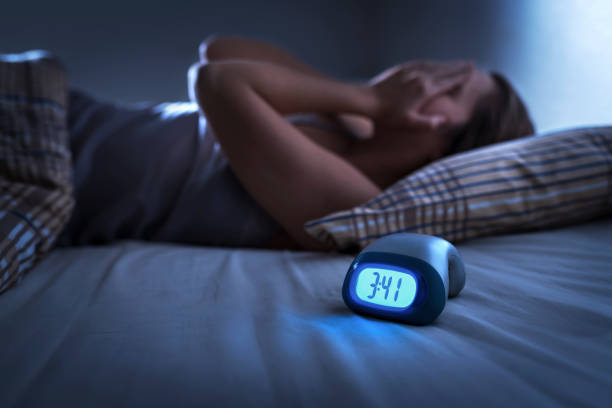
Insomnia is a common sleep disorder. Between 20-30% of the general population experience symptoms of insomnia and it tends to be more prevalent among women compared to men. CBT for Insomnia (CBT-I) is a structured treatment that has been shown to be highly effective for adults with chronic symptoms of insomnia.
According to the Diagnostic and Statistical Manual of Mental Health Disorders, (DSM-V), Insomnia is characterized by persistent difficulty falling asleep, staying asleep, or waking up too early in the morning and being unable to fall back asleep. It affects the quality or quantity of sleep a person gets. The sleep disturbance occurs at least 3 nights per week, for at least 3 months, despite a person having enough opportunity for sleep. The disruption in sleep causes significant distress or impairment in functioning.
Cognitive-Behavioral Therapy for Insomnia (CBT-I) has been found to be an effective treatment for insomnia. In fact, it is often considered to be more effective than medication in the long-term, as it addresses the factors that maintain sleep difficulties rather than providing short term relief from symptoms.
The components of CBT-I treatment include:
- Psycho-education – focusing on understanding how sleep works, the factors that fuel the cycle of insomnia, as the rationale for treatment.
- Sleep-monitoring – keeping track of different aspects of your sleep to identify over time factors that may be negatively affecting your ability to initiate or maintain sleep; to identify how much actual sleep your body is producing; and to inform how to implement sleep restriction.
- Stimulus control – to strengthen the connection between your bed and sleep.
- Sleep restriction – involves limiting time spent in bed to improve sleep quality and efficiency over time.
- Sleep hygiene – learn about healthy habits that promote good sleep.
- Cognitive restructuring – to identify & challenge unhelpful and distorted thoughts and beliefs about sleep that contribute to anxiety and interfere with sleep.
- Relaxation techniques – to help switch your body from the fight-or-flight mode to a restful state that promotes better sleep.
Individuals who suffer from insomnia also frequently experience co-morbid mental health challenges, such as mood and anxiety disorders. Insomnia can have a negative impact on a person’s mood & anxiety, and vice versa. This can create a vicious cycle whereby poor sleep leads to low mood and high anxiety, and these in turn perpetuate sleep disturbances.
If you experience symptoms of insomnia or symptoms of mental health challenges that may be negatively affecting your sleep, and want to learn more about CBT treatment for insomnia, you can schedule a free, no obligation, phone consultation with Dr. Isabelle Bauer.